
Lumber and tariffs, builder confidence, the governor’s race on housing, energy rebates, remodel budgets and winter job-site prep: six stories for Maine builders and remodelers.

Costs, confidenceand the road to November
Lumber and tariffs, builder confidence, the governor’s race on housing, energy rebates, remodel budgets and winter job-site prep: six stories for Maine builders and remodelers.
Lumber duties came down. Prices didn’t.
Canadian softwood duties fell in August, but new tariffs now hit plywood and LVL.
Builder confidence hits a one-year low. The Northeast fell fastest.
September’s HMI, region by region, and why incentives are now the norm.
Maine picks a new governor Nov. 3. Where they stand on housing.
A neutral side-by-side of the three candidates’ housing plans, in their own words.
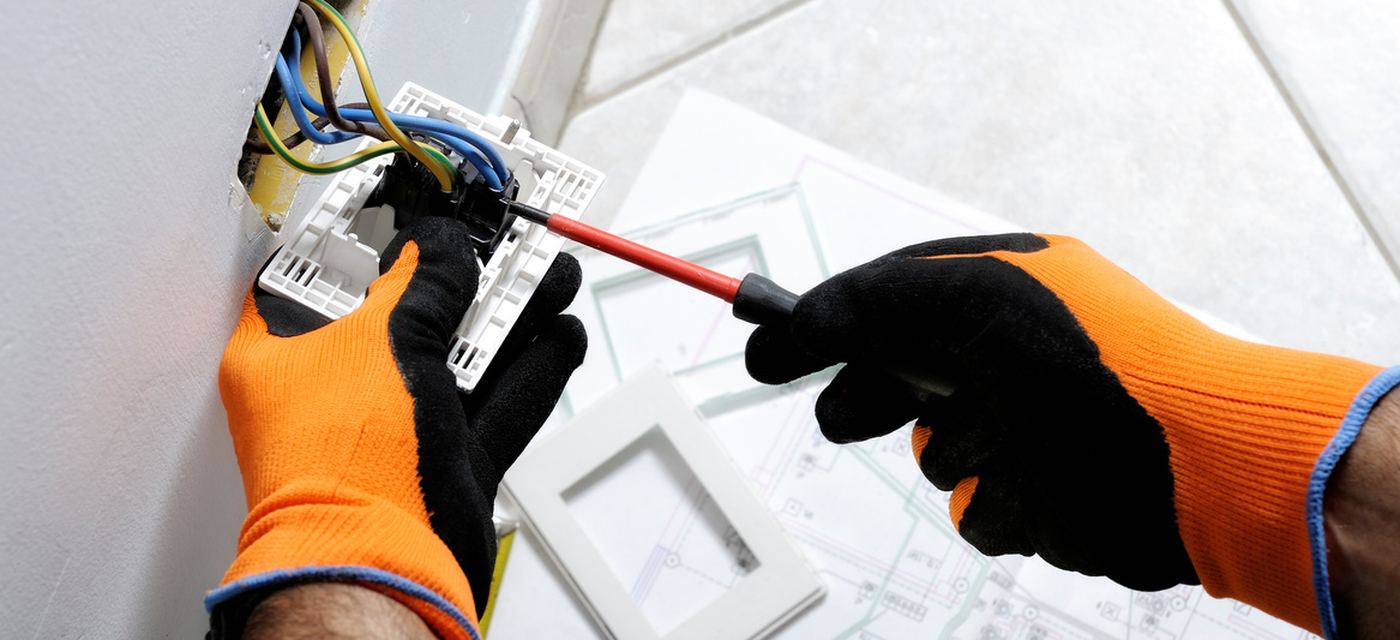
The federal credits are gone. Maine’s rebates are not.
What ended with 45L and 25C, and what Efficiency Maine still pays.

1 in 3 renovations run over budget. Get ahead of it.
Houzz data on why projects overrun, and three fixes for your next contract.
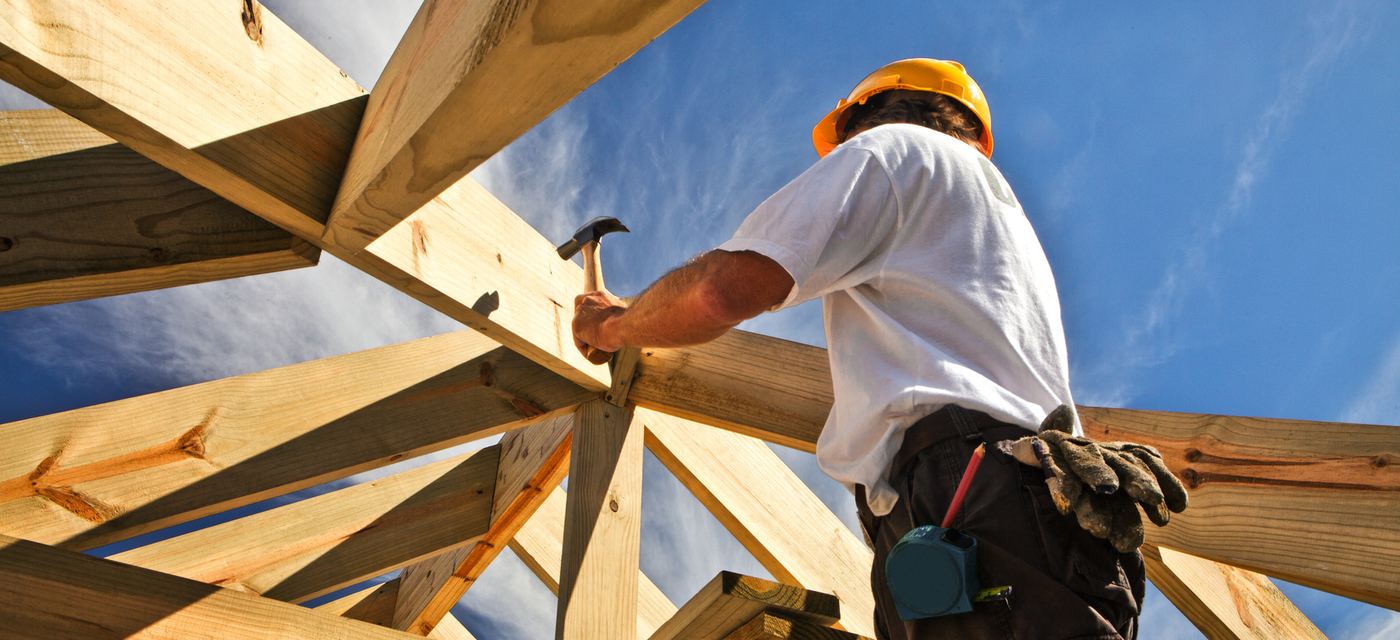
Winter is coming to the job site. Build your plan now.
A cold-weather checklist for concrete, crews, roofs and clients.
Lumber duties came down.Prices didn’t.
Framing lumber sold for $515.93 per 1,000 board feet on September 18, up 8.4% from a year ago, according to NAHB’s weekly tracking of the Madison’s Lumber Price Index. That’s despite lower duties on Canadian softwood this summer.
What changed on Canadian softwood
The U.S. Department of Commerce’s seventh administrative review cut the duties on most Canadian softwood lumber. The antidumping duty fell from 20.56% to 10.66%, and the countervailing duty from 14.63% to 14.17%. Combined, that’s a drop from about 35% to about 25%. NAHB reports the lower rates took effect in August.
But one tariff stays put
The separate 10% Section 232 tariff on lumber remains in place, so Canadian softwood still faces roughly 35% in total duties and tariffs. And on August 24, NAHB reported new 50% tariffs on about $20 billion in Canadian goods, including plywood, LVL, fiberboard and Portland cement. Softwood lumber is not on that list. NAHB is urging the administration to exempt building materials given the housing affordability crisis.
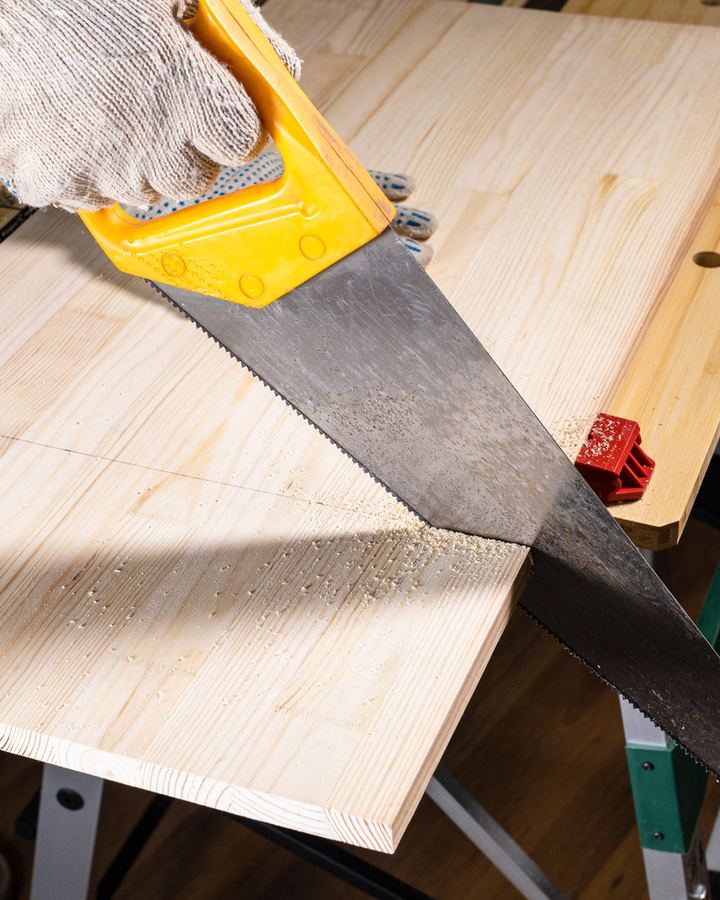
New 50% tariffs reach plywood and LVL, so check engineered-wood quotes, not just dimensional lumber.
The Maine picture is mixed
For Maine’s forest products industry, the tariffs cut both ways. The Maine Monitor reported in February that Pleasant River Lumber in Enfield and Dover-Foxcroft added a second shift under the tariffs. Lumbra Hardwoods in Milo, meanwhile, is paying more than $1,000 in duties per load shipped to a longtime Quebec customer.
What you can do now
- Check your contracts for a material price escalation clause, and shorten how long quotes stay valid.
- Ask your supplier about pricing and lead times for LVL and plywood.
- Watch NAHB’s weekly framing lumber price page before you bid.
Builder confidence hits a one-year low.The Northeast fell fastest.
The NAHB/Wells Fargo Housing Market Index fell 3 points to 32 in September, its lowest reading since September 2025. In the Northeast, the three-month average dropped 5 points to 39, the steepest decline of any region.
What builders reported
- Current sales conditions: 35, down 4
- Sales expectations, next six months: 37, down 6
- Traffic of prospective buyers: 23, unchanged
- 38% of builders cut prices, up from 35% in August
- 66% offered sales incentives, up from 63%
Reading the index
The HMI runs from 0 to 100. Any reading below 50 means more builders see sales conditions as poor than good. Every region is now below that line.
Owens added that “builders also continue to face higher material costs, rising gas and diesel prices and persistent labor shortages.” NAHB Chief Economist Robert Dietz pointed to “tight lending conditions and elevated land, labor and construction costs.”
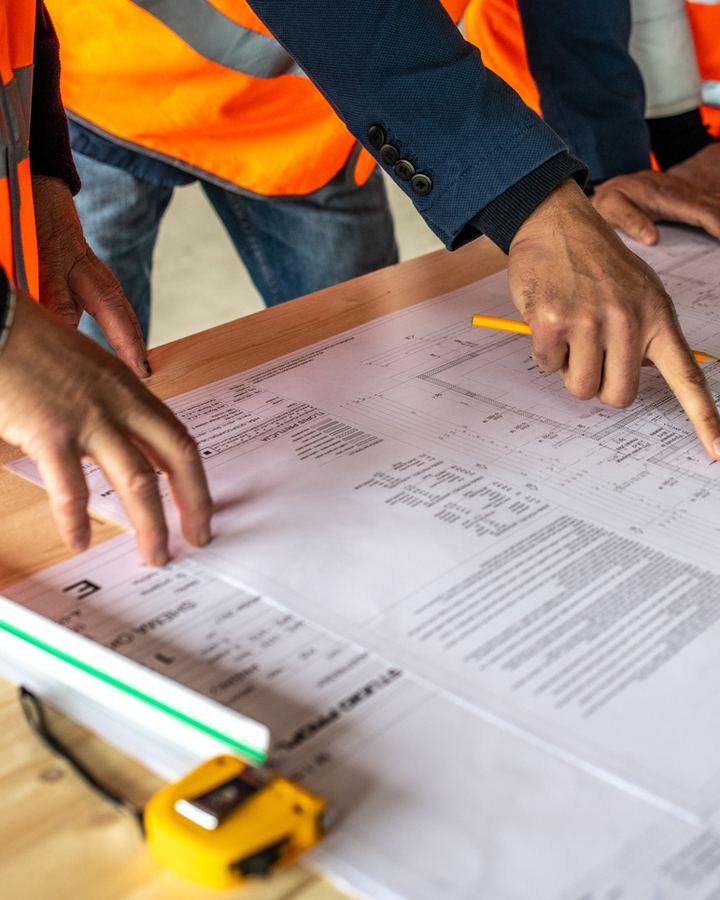
Two out of three builders are now using incentives to close sales.
What it means for Maine members
These are the same pressures covered in August’s report on material costs, which found builders with 5 or fewer starts saw the steepest increases. Incentives are now the norm: two out of three builders nationally are offering them. If you aren’t talking with buyers about rate buydowns or closing-cost help, your competitors probably are.
Maine picks a new governor Nov. 3.Where they stand on housing.
All three candidates on the ballot call Maine’s housing shortage a top issue. The Bangor Daily News reports a median home price of $427,000 against a median household income of $74,000.
The next governor will shape permitting timelines, state housing funding and the agencies that write and enforce Maine’s building codes. Every member has a stake, whichever candidate they support. The side-by-side below uses the candidates’ own words as reported, in alphabetical order. It is for information only and is not an endorsement.
- Permitting
- Audit stalled projects; set deadlines for permit applications; remove “overlapping reviews, duplicate questions”
- Financing & buyers
- Down payment help for first-time buyers; mortgage support to lower monthly payments
- Other
- Revive local manufactured housing production
- Permitting
- Analyze and cut state regulations that hold back private development
- Financing & buyers
- Lower income and property taxes; cut energy costs by 40%
- Other
- —
- Permitting
- 90-day deadline on state permits, such as DEP approvals
- Financing & buyers
- $100 million a year for new construction financing and preserving affordable homes
- Other
- About 20% of that funding for infrastructure; regional cooperation on housing; end veteran homelessness in the first year
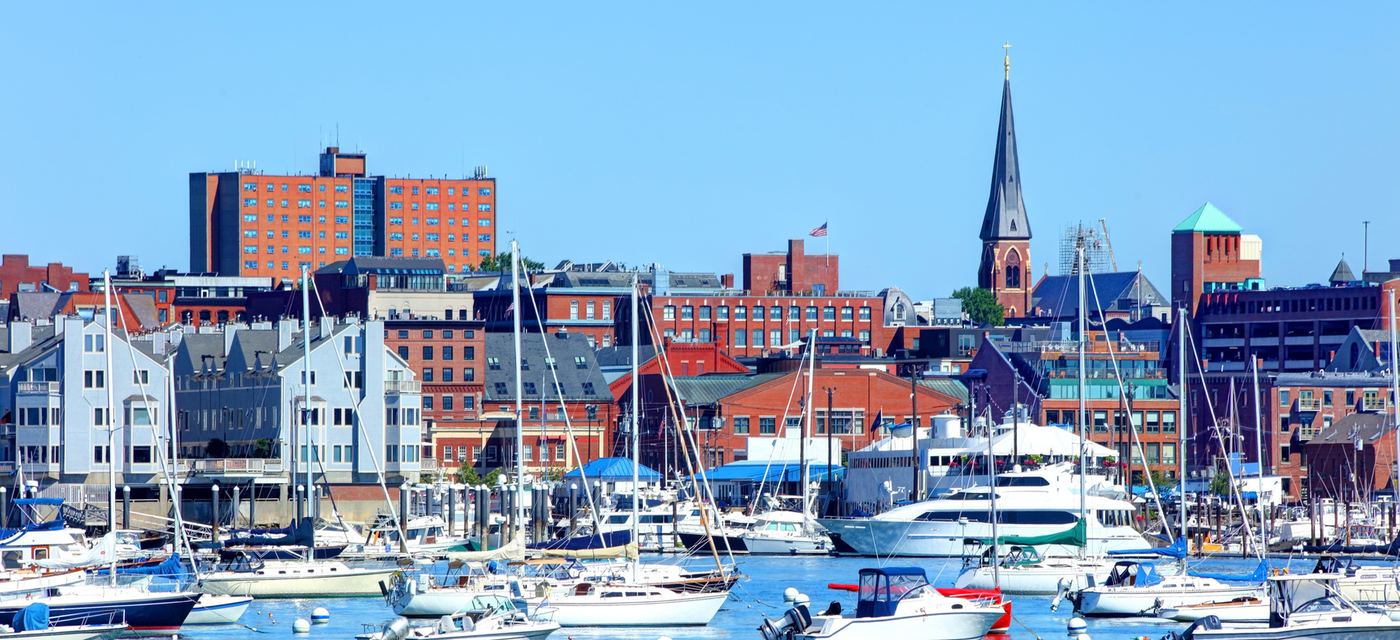
- Read each candidate’s full platform on their campaign website.
- The Maine Monitor’s voter guide also lists declared write-in candidates.
- Election Day is Tuesday, November 3.
Note: Claude’s election info may be outdated. To get reliable, up-to-date voting information, visit TurboVote by Democracy Works.
The federal energy credits are gone.Maine’s rebates are not.
The federal 45L credit for builders, worth up to $5,000 per home, ended for homes acquired after June 30, 2026. The homeowner credit (25C) ended at the close of 2025. Efficiency Maine’s state rebates are still available.
What went away
45L (builders): Up to $5,000 per new home built to ENERGY STAR or Zero Energy Ready Home standards. Homes acquired from 2023 through June 30, 2026 can still qualify, so check with your tax advisor about homes you closed before then.
25C (homeowners): Up to $1,200 a year for insulation, windows, doors and similar upgrades, for property placed in service through December 31, 2025. Both were eliminated by the One Big Beautiful Bill Act, signed July 4, 2025.
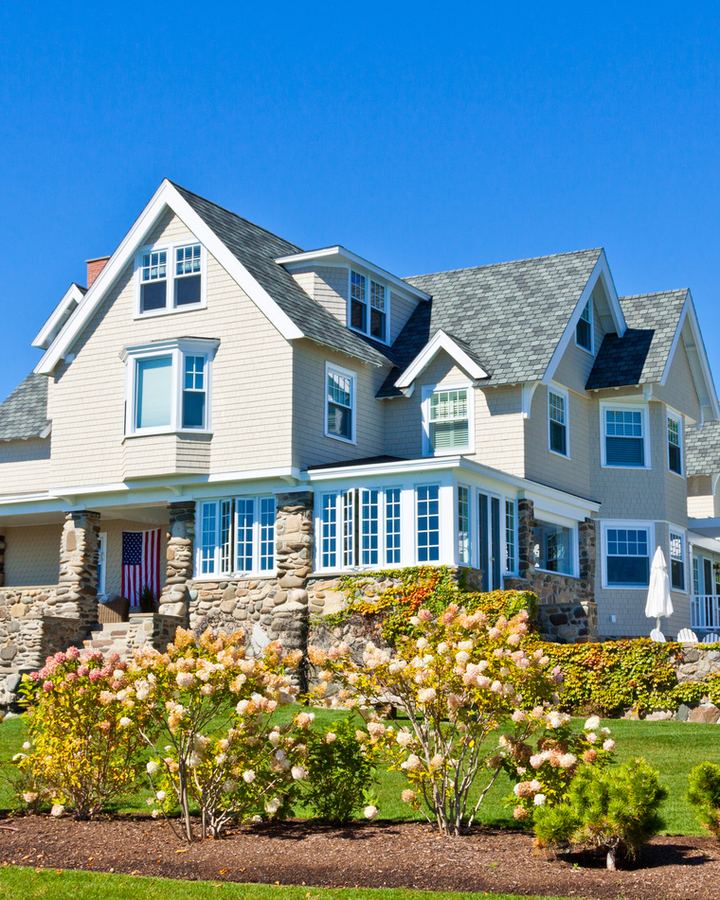
Heat pumps and weatherization still qualify for state rebates of up to $9,000 and $8,000.
What it means for your business
New construction: Without 45L, the case for ENERGY STAR or Zero Energy Ready homes rests on buyers’ lower energy bills and resale value. Lead with operating costs in your sales conversations.
Remodelers: If you aren’t a Residential Registered Vendor, your clients can’t claim these rebates. Registering could win you work.
1 in 3 renovations run over budget.Here’s how to get ahead of it.
37% of homeowners who renovated in 2025 went over budget, according to the 2026 U.S. Houzz & Home Study. And clients plan to spend less: the median planned 2026 budget is $15,000, down from $20,000 actually spent in 2025.
Who’s renovating
54% of homeowners renovated in 2025, and 50% plan projects in 2026. The top triggers are finally having the time (40%) and feeling financially ready (36%).
How they pay
84% pay with savings, and 34% use credit cards, up 5 points from the year before. At the high end, the top 10% of projects cost $150,000 or more, up 7% from 2024.
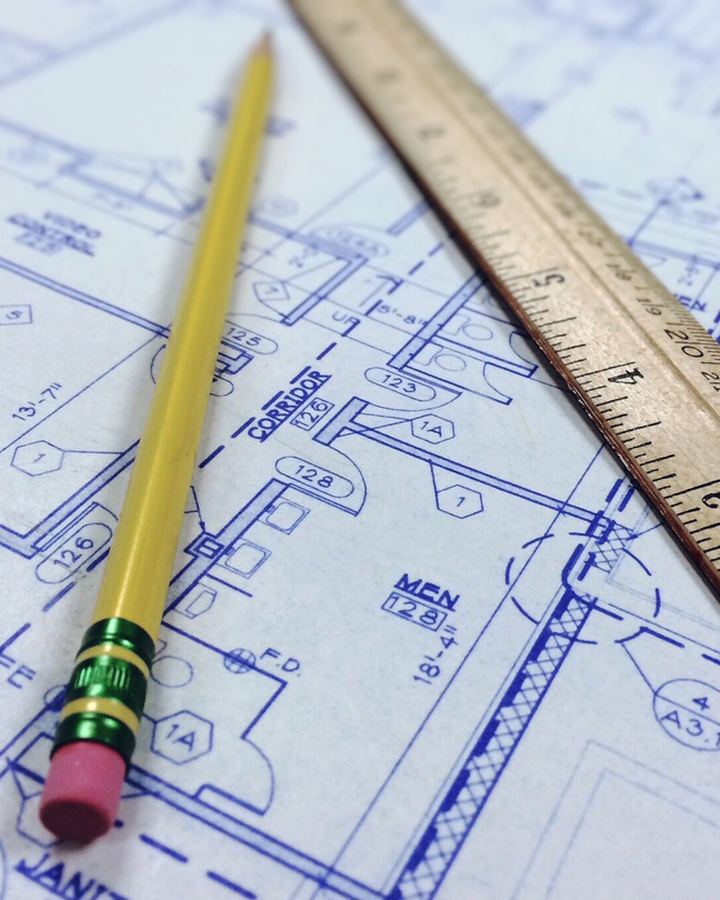
Allowances and written change orders are your best defense against the two biggest causes of overruns.
Put it to work on your next job
Price selections up front. Premium materials are the leading cause of overruns, so set allowances and show good, better and best options before the contract is signed.
Put scope changes in writing. With 31% of overruns coming from scope growth, a clear change-order process protects you and your client.
Talk budget early. If planned budgets are falling toward $15,000, ask about the number in the first conversation, not the third.
Winter is coming to the job site.Build your plan now.
In Maine, the first hard freeze can arrive before the framing is closed in. A written winterization plan for crews, concrete and materials keeps schedules on track and people safe.
Concrete
- Plan for cold weather whenever the air temperature has fallen, or is expected to fall, below 40°F during protection (ACI 306R-16).
- Protect fresh concrete from freezing until it reaches 500 psi.
- Deal with subgrade conditions before you pour.
- Vent combustion heaters outside, or use hydronic or indirect heat. ACI warns that heater exhaust can damage the surface of concrete less than 24 hours old.
Crews
- Train crews on the four cold-related illnesses NIOSH identifies: hypothermia, frostbite, trench foot and chilblains.
- Provide a warm area for breaks and warm drinks.
- Schedule the coldest tasks for the warmest part of the day when you can.
- Encourage loose layers, waterproof boots and hats. Have crew members watch each other for symptoms.
Snow, ice and roofs
- OSHA requires fall protection and training when workers clear snow from roofs or work at heights.
- Use ladders safely. Wear footwear with good traction and insulation, and take short steps on slick surfaces.
Put weather delays in the plan and the contract before the first frost.
Site and materials
- Plan drainage so meltwater doesn’t refreeze across walkways and work areas.
- Use heated enclosures and insulating blankets where needed.
- Buildertrend notes winter can be a good time to buy materials at lower prices and restock staples. Given this fall’s tariff news, talk with your supplier early.
Clients
- Explain your weather plan and how delays will be handled before work begins.
- Review your contract language, as Buildertrend suggests.

Stronger together.Support HBRAME.
The Home Builders and Remodelers Association of Maine connects builders, remodelers and trade partners across the state. Invite a peer to join at hbrame.org during the NAHB Fall Recruitment Competition, which runs through November 30.